Get Irrigation System Winterization
Irrigation system winterization services help property owners prevent damage and freezing issues by having local contractors drain, disconnect, and protect sprinkler systems during cold months.
Preparing an irrigation system for winter is an important step for property owners looking to protect their landscaping investments and ensure system longevity. Proper winterization helps prevent damage caused by freezing temperatures, which can lead to costly repairs or replacements in the spring. Whether managing a residential yard or a commercial landscape, property owners in the area can find local contractors experienced in winterizing irrigation systems, making it easier to plan and compare options.
Exploring winterization services from local service providers allows property owners to assess different approaches and find solutions tailored to their specific needs. Many local contractors offer practical advice and professional assistance to ensure irrigation systems are properly drained and protected during the colder months. Keep reading to discover how connecting with trusted local pros can help safeguard your irrigation system through the winter season.
- Winterization Services - needed when preparing irrigation systems to prevent damage from freezing temperatures.
- Drain and Blowout Services - recommended before the first freeze to clear water from pipes and sprinkler heads.
- System Inspection and Shutdown - essential for identifying vulnerabilities and safely turning off irrigation components for winter.
- Pipe and Valve Protection - required when safeguarding underground lines from frost and shifting soil during winter months.
- Emergency Freeze Repair - necessary if unexpected freezing causes damage to irrigation components during the cold season.
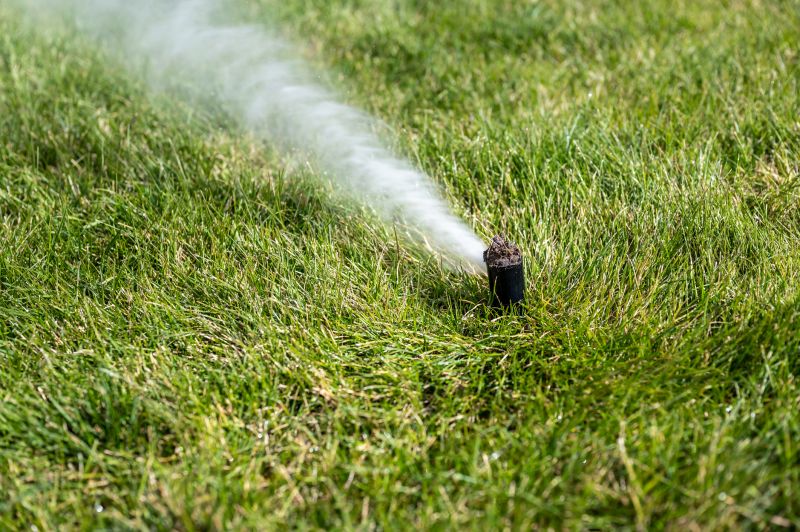
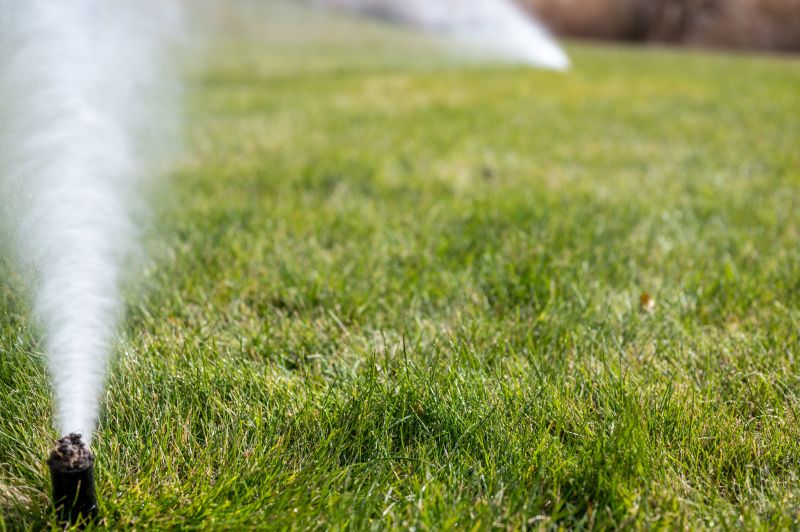
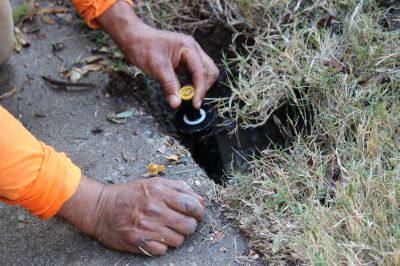
Irrigation system winterization involves preparing an irrigation or sprinkler system for the colder months to prevent damage caused by freezing temperatures. The process typically includes draining or blowing out the system’s pipes, valves, and sprinkler heads to remove any remaining water. Some service providers also recommend insulating exposed components and shutting down the system to ensure it remains protected throughout the winter. This preventive measure helps avoid costly repairs and extends the lifespan of the irrigation equipment, making it a practical step for property owners looking to maintain their landscape systems.
One of the main issues winterization addresses is the risk of pipe burst due to freezing water expanding inside the system. When water freezes, it expands and can cause pipes, fittings, or sprinkler heads to crack or break, leading to leaks and water damage. Proper winterization ensures that all water is removed or secured, reducing the likelihood of these problems. Additionally, winterization can help prevent damage to valves and other components that may be sensitive to cold temperatures, ensuring the irrigation system remains functional and ready for use when warmer weather returns.
Properties that typically benefit from winterization services include residential homes with installed sprinkler systems, as well as commercial properties, parks, and sports fields with automated irrigation. These systems often have underground piping and sprinkler heads that are vulnerable to freezing and cracking if not properly prepared for winter. Even properties in milder climates can experience issues if water remains in the system during cold spells. Engaging local contractors for winterization services helps ensure that the system is thoroughly prepared, reducing the risk of damage and the need for costly repairs come spring.
Homeowners and property managers should consider winterization when they notice the first signs of approaching cold weather or if they plan to leave their property unattended during the winter months. Service providers can assess the specific needs of each irrigation system, determine the best winterization methods, and ensure that all components are protected from freezing temperatures. Contacting local pros for winterization services can provide peace of mind that the irrigation system is properly secured, helping to avoid unnecessary damage and ensuring a smooth start-up when the growing season begins again.
The overview below groups typical Irrigation System Winterization projects into broad ranges so you can see how smaller, mid-sized, and larger jobs often compare in your area.
In many markets, a large share of routine jobs stays in the lower and middle ranges, while only a smaller percentage of projects moves into the highest bands when the work is more complex or site conditions are harder than average.
Smaller Repairs - Basic winterization services for minor repairs or adjustments typically range from $250 to $600. Many routine jobs fall within this middle range, depending on the size and complexity of the system. Fewer projects will push into higher tiers unless additional work is needed.
System Flush and Blowout - A standard system blowout or flushing service usually costs between $150 and $400. This is a common service for many homeowners preparing their irrigation for winter, with most projects landing in this range.
Partial System Winterization - For partial system winterization involving select zones or components, local pros often charge between $300 and $800. Larger or more complex partial jobs can reach higher costs, but many projects are completed within this range.
Full System Winterization - Complete winterization of an entire irrigation system generally costs between $400 and $1,200. Larger, more intricate systems or properties with extensive landscaping can push costs above this range, though most projects are within the typical bounds.
Actual totals will depend on details like access to the work area, the scope of the project, and the materials selected, so use these as general starting points rather than exact figures.
Sprinkler System Repairs - technicians often perform maintenance and winterization tasks similar to those needed for irrigation system shutdowns to prevent freeze damage.
Backflow Prevention Installation - installing and maintaining backflow preventers requires understanding of irrigation plumbing and winterization procedures to ensure system protection.
Drainage System Installation - designing and installing drainage solutions involves planning and tools comparable to those used in preparing irrigation systems for winter.
Landscape Irrigation Design - creating efficient irrigation layouts involves planning and knowledge of system components similar to winterization service preparations.
Water Line Leak Repair - locating and fixing leaks in water lines shares skills with identifying issues in irrigation systems before winterization.
Seasonal System Maintenance - routine seasonal checks and preparations for irrigation systems align with the winterization process to ensure system longevity.
When evaluating contractors for irrigation system winterization, it’s important to consider their experience with similar projects. Homeowners should look for service providers who have a proven track record in winterizing irrigation systems in climates and setups comparable to their own. An experienced contractor is more likely to understand the nuances of different system types and be familiar with best practices to ensure the system is properly protected during the colder months. Reviewing a contractor’s background and asking about their past work on projects similar to the homeowner’s can help gauge their level of expertise and reliability.
Clear, written expectations are essential when selecting a local contractor for irrigation winterization. Homeowners should seek detailed descriptions of the services included, such as system draining, blowouts, and any additional preparations needed for winter. Having a written outline helps prevent misunderstandings and provides a reference to ensure all aspects of the job are addressed. It’s also beneficial to confirm that the contractor communicates openly about the scope of work, the materials used, and any follow-up recommendations, fostering transparency and confidence in the service provider’s approach.
Reputable references and good communication are key factors in choosing a dependable local contractor. Homeowners should ask for references or reviews from previous clients to gain insights into the contractor’s professionalism and quality of work. Additionally, responsive and clear communication throughout the inquiry process can indicate how well the contractor listens to homeowner concerns and explains the work involved. While the site introduces homeowners to local options, it’s important to assess each service provider’s reputation and communication style independently to find a professional who can meet expectations and handle the winterization effectively.
Property owners use Irrigation System Winterization services for practical projects around their homes and businesses. This guide focuses on everyday jobs and straightforward project options.
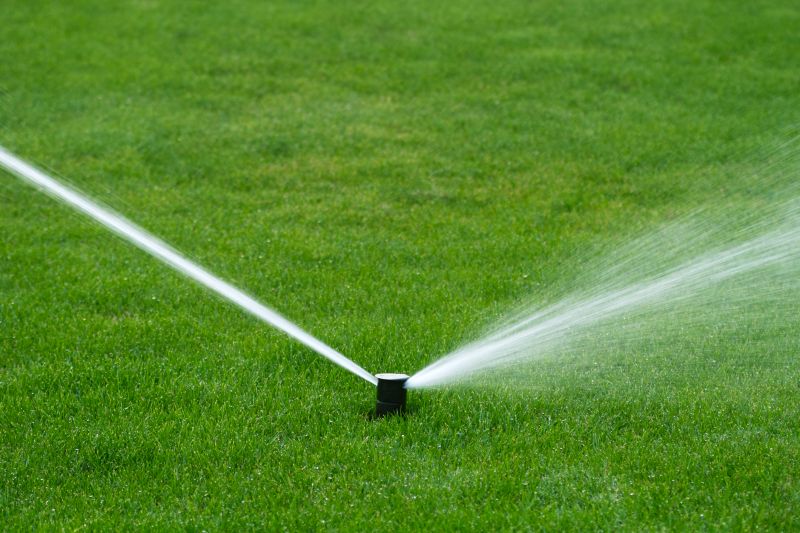
Property owners in the area may seek irrigation system winterization services to protect their landscaping investments during colder months. Local contractors can help prevent damage caused by freezing temperatures, such as cracked pipes or broken sprinkler heads, which can lead to costly repairs in the spring. Additionally, many property owners want to ensure their irrigation systems are properly shut down and stored away to avoid potential issues that can arise from snow and ice buildup.
Homeowners and property managers often look for winterization services to maintain the longevity and functionality of their irrigation systems. Local service providers can assist with draining and blowing out water lines, disconnecting timers, and safeguarding equipment from winter weather. This proactive approach helps avoid system failures and ensures a smooth start-up when watering resumes in warmer months.
Why is winterizing my irrigation system important? Winterizing helps prevent damage from freezing temperatures by removing water from pipes and components, reducing the risk of cracks and leaks during the colder months.
What services are included in irrigation system winterization? Local contractors typically drain and blow out the system, disconnect and store timers, and protect valves and sprinkler heads from winter conditions.
When should I schedule irrigation winterization services? It's recommended to have your irrigation system winterized before the first hard freeze to ensure proper protection throughout the winter.
Can local service providers handle different types of irrigation systems? Yes, many local contractors are experienced with various irrigation setups, including sprinkler, drip, and custom systems, ensuring proper winterization for each.
How do I find qualified contractors for irrigation winterization? You can compare local service providers through this platform to find experienced contractors who specialize in irrigation system winterization services in your area.
Seasonal Preparation - Property owners can schedule irrigation winterization to prevent damage from freezing temperatures during the colder months.
System Protection - Local contractors can help ensure sprinkler components are properly drained and protected to avoid costly repairs in spring.
Damage Prevention - Homeowners can have irrigation systems professionally winterized to reduce the risk of pipe bursts and system failures.
Maintenance Planning - Property managers can arrange for winterization services to keep irrigation systems in good condition for the upcoming season.
If you are thinking about Irrigation System Winterization for a property, this guide is meant to help you understand the work, the typical project types, and how different options might fit your plans.
When you are ready, you can use the quote form on this page to share a few details about your project. From there, local pros can review the basics and respond with options that match what you have in mind.